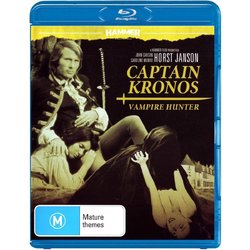
1:66 is the correct aspect ratio. It was filmed open matte for either 1:66 or 1:85. Either is correct. What is not correct is the 1:20:1 ratio which some pressings have been getting. European pressing tended to be 1:66 and American pressing tended to be 1:85. France and Switzerland use 1:75 or 1:85, Asia uses 1:66. UK: 1:66. Technically speaking you could put out a 1:33:1 one as it was shot 35mm and you would get more info top and bottom the way the Mummy 1958 was released.
It all depends on what the director intended. Strictly speaking, if you shoot a non-anamorphic image full frame - you can matte it anyway you please.
For instance: Michael Mann's MANHUNTER is a 2.35:1 non-anamorphic soft matte. You can remove the soft mattes and fill a 4:3 screen. (Granted, you will have extreme headroom and wasted space below that will ruin the composition....). James Cameron did the same with THE ABYSS.
Neither of those were anamorphic - so it is like shooting something square but matting for 2.35.
It gives the appearance of widescreen, but it is a "cheating scope" as their are no anamorphic lenses grabbing a wider vista. You can shoot something on your phone and put a 2.35 matte on it too, if you want.
Most directors shoot for a specific ratio, and the smart ones allow for "safe action area" so their images won't be too altered when broadcast incorrectly. Kubrick famously shot 1.85:1 (2001: A Space Odyssey an exception) but planned ahead (in his shot composition) for his films to be "safe" when shown in 4:3.
( rumor has it, that he became sensitive to this after the 2.35 "Scope" 2001: A Space Odyssey was butchered in a 4:3 pan and scan broadcast).
But I will always prefer the ratio the director had in mind.
Also of interest: many directors took to using "Hard Mattes" so their aspect ratios could not be changed.
This when the Matte is actually a part of the image, and cannot be removed. (This lead to a less obvious, but still annoying practice of zooming in on a 1.85 image. Not as severe as a pan and scan on a 2.35 scope image - but bad nonetheless, since any magnification blows up the grain of the film).
For awhile, letterboxing on 4:3 SD was a great way to preserve aspect ratios. Little did we know that the advent of widescreen TVs would really mess up the whole thing!
Worst example of this: Michael Mann's THE KEEP is 2.35:1 rectangular film. A 1.33 pan and scan version was created for cable. (By doing this the image is zoomed in 40% making the grain in the film very large). When Netflix began showing THE KEEP, they used that Pan and Scan Version....BUT - They wanted to fill the screen for 16:9 TVs. The pan and scan version was made for 4:3., and the only way to fit the square 4:3 image into a 16:9 rectangle is to
zoom in on the square image! So it was zoomed in on AGAIN!! Needless to say, the film grain looked like giant golf balls!!
And in a reverse irony that is just baffling, cable stations like BBC America and TNT are
stretching Tv shows that were shot in 1.33 academy ratio to fit 16:9 TVs. Everyone is a little wider and fatter.
Or they just zoom in on the 1.33 image and cut the tops of people's heads off!
Aspect ratio crimes!

(Go read about Ben Hur's 2.76:1 apsect ratio!)