
Last edited by a moderator:


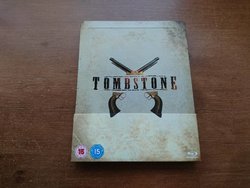
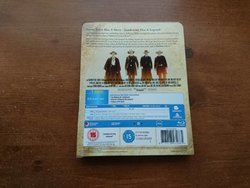
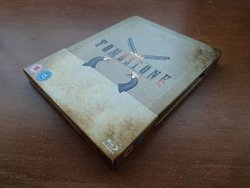
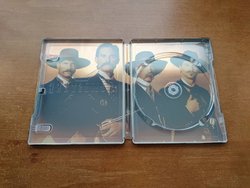
Tombstone (Blu-ray SteelBook) (Zavvi Exclusive) [UK]
- Thread starter snooloui
- Start date
You are using an out of date browser. It may not display this or other websites correctly.
You should upgrade or use an alternative browser.
You should upgrade or use an alternative browser.


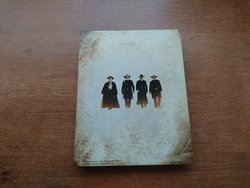
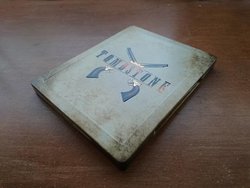
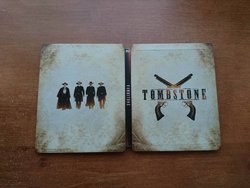
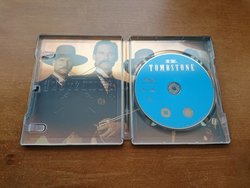
Not my pics.....
View attachment 219724
View attachment 219726
View attachment 219725
Nice embossing
Overall a nice steelbook with a nice finish. Not mad about the movie personally, but might pick it up if it goes very cheap......
Very nice front but I'll wait for a big drop before I purchase

It is nice, but mine's arrived with a nice ding in the side!Looks like this is better in hands then, going to wait a while though.
First time I've received a damaged steel in ages, so I guess by the law of averages I was due one! At least it's a title that's still in plentiful supply, so I shouldn't have a problem getting a replacement...


It is nice, but mine's arrived with a nice ding in the side!
First time I've received a damaged steel in ages, so I guess by the law of averages I was due one! At least it's a title that's still in plentiful supply, so I shouldn't have a problem getting a replacement...
Unlucky,
 had a few bad ones last year with Zavvi, not done in the post too on a few, good it's for a movie that is not sold out, frustrating it is. Ignore their percent off rubbish (I always say no to it) and get it replaced, good luck.
Last edited:

On Zavvi's site, the running time listed is the shorter theatrical running time.is it confirmed what version this is ? thanks !

Theatrical Cutis it confirmed what version this is ? thanks !
All Blu-ray releases worldwide include only the Theatrical Cut
The Director's Cut is only available with the 2 disc DVD version releases

Theatrical Cut
All Blu-ray releases worldwide include only the Theatrical Cut
The Director's Cut is only available with the 2 disc DVD version releases
I cancelled this in the end (even with 10% off), the artwork isn't really making me want it big time so I'll wait for a price drop in this one.
Top movie though, and I don't really mind that it's the theatrical version as the extended version isn't all that special.

Plus the extended version is not really the extended version. The film was actually chopped BIG TIME by like 40 minutes or so before it ever hit theaters. Kurt has shared a lot of info on this now that the Director has passed away. Some even say he was a Ghost director since first director was fired amid filming. Supposedly most of the cut parts were back stories on Wyatt and Kurt did it to make the other ensemble cast roles seem/feel more important as it was the only way to turn what was a clusterfuck into a decent film. Funny enough he claims it could have been so much better and the way I read it seemed like he didn't care so much on how it turned out vs. what he knew it COULD have been. When asked if he had any of this other footage he said its in the garage somewhere. lol. (it's a very long interview, if interested tag me and I'll fetch it)I cancelled this in the end (even with 10% off), the artwork isn't really making me want it big time so I'll wait for a price drop in this one.
Top movie though, and I don't really mind that it's the theatrical version as the extended version isn't all that special.


Oooooohhhhh!!!! Wow! Nice front embossing!!! But... also, not my type of movie...Not my pics.....
View attachment 219724
View attachment 219726
View attachment 219725
Nice embossing
Overall a nice steelbook with a nice finish. Not mad about the movie personally, but might pick it up if it goes very cheap......
Don't worry - the only rare times I've ever accepted a partial refund is for some pretty minor damage (e.g. very small paint chip or slight ding) on titles that were a sell out (and I mean genuine sell outs, not ones that ever came back in stock after release, so no chance of getting a replacement from Zavvi).Unlucky,
By the way, you can see here where the box it came in took a bashing, along with the steel inside it! Not a big dent, I'll admit, but as it's still in stock I would much prefer a replacement
Agree with both statements and liking the wood-grain effect on the grips a lot and the embossing of the complete pistols and title as well as the shiny metallic paint (spot gloss ?) on the frames.Looks like this is better in hands then, going to wait a while though.
Really not bad at all and another that looks better in a matte varnish finish

Thank you pb for the excellent photo arrangement - wondering if there's a way to zoom them though ?
Last edited:
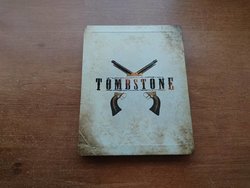
Alright Tombstone lovers as I alluded to above ... I went and dragged this out where I read it .... VERY interesting interview with Kurt .... I'll put it in spoiler as its gonna take some time. But you can feel his personality so its actually a pretty good read. @NoDingsNoScratches ..... at your request *tips hat*
Here is an interview conducted in 2006, Kurt Russell says a lot more aboyt Tombstone and the directing of it.
What did surprise me was how eager Russell was to talk about the movie Tombstone. As soon as I mentioned the famously troubled production of the beloved Western, Russell lit up and began to go into unprecedented detail about the whos, whats and whys.
Actually, surprise is too gentle a word; shocked is more like it.
The fact is, while rumors have circulated about precisely what happened when screenwriter Kevin Jarre was fired as director, early in the production, and was replaced by Rambo 2 director George Cosmatos, the cast and crew have been very close to the vest about specifics. Since the film was released in 1993, the shroud of silence concerning the picture has rarely afforded anyone much more than a glimpse of the real story, for reasons Russell at last made clear in a 20-minute conversation that took place in a suite of the Regent Beverly Wilshire Hotel in Los Angeles.
Russell also discussed Kevin Costners role in the production, both before the movie started and after the picture was wrapped, details of the financing and distribution, certain curious casting considerations and the legendary missing footage that Tombstone lovers have been dreaming of seeing for 13 years.
Henry Cabot Beck: The Tombstone scholars, Allen Barra, Bob Boze Bell and those guys, are getting together in Tombstone in October for the 125th anniversary of the O.K. Corral gunfight.
Kurt Russell: Are they? Thatll be fun. Has it been 125 years? Eighteenwhat?81? I guess so. That sounds right. At one time I really knew about Wyatt Earp because that movieTombstone is one thats actually worth talking aboutthat was the one time I had gone out and got the money. I backed the director; the director got fired, so we brought in a guy to be a ghost director. They wanted me to take over the movie. I said, Ill do it, but I dont want to put my name on it. I dont want to be the guy.
I said to George [Cosmatos], Im going to give you a shot list every night, and thats whats going to be. Id go to Georges room, give him the shot list for the next day, that was the deal. George I dont want any arguments. This is what it is. This is what the job is.
Yeah, absolutely.
I got him from Sly Stallonecalled up Sly, said I need a guy. Sly did the same thing with Rambo 2 with George. And I said to George, While youre alive George, I wont say a goddamn thing. [Cosmatos died April 19, 2005.]
And it was the hardest work of my life. Tombstone was so painful. Tombstone was so tough, you know what I mean? It was just so painful; it was hard physically to doI got four hours sleep every night. And Im so happy that we got it made.
I didnt get a chance to edit the movie, which I thought was unfortunate because it could have been one of the greatest Westerns ever, ever, ever made. And its pretty damn good. We had a great cast. A phenomenal script.
Some of the direction is terrific. There are great shotsespecially the crane shot over Curly Bill [Powers Boothe} when he exits the opium den
Thats actually how good the script is. That shot is, theres no way not to do that shot. The movie demands it. The script demands it. But whats bad about that shot, if you look at it, is its badly timed. We had no money. BANG! Half an hour later, the light breaks on the gunshotCut. Print it. Go on, move on. But it works.
Theres a lot of great stuff in Tombstone. Great actors who were in a very difficult situation, who I bought their trust by cutting myself out of the movieas an actor. Theres stuff in that original script that if you were ever to read it youd go, Oh ho ho.
We needed to lose 20 pages. Kevin would never lose the 20 pages. He would never lose it. So once he was gone, theres only one way Im going to get the trust of these actors and that is to cut myself out of this goddamn movie and make some changes; make Wyatt an aura character.
Val Kilmer Talks Tombstone
The screenplay that Kevin Jarre wrote was quite brilliant with many, many, many subplots, a very few of which were dramatized. I mean virtually every main character, every cowboy, for example, had a subplot and a story told, and none of them are left in the film.
The scene that I recall Kevin Jarre directing, I dont think theres anything left of it in the film, not because of Kevins work, but just normal editing fate. Its a scene with Kurt at Hookers ranchbut I think if my memory is correct, it was cut because the movie was too long.
I am happy with the film as it exists because there were so many challenges that were risky to begin with. There was the changing of the director, and we had over 100 people, cast and crew, who quit or were fired, and thats gotta be some kind of record. But to have enough substance come out of Kevin Jarres script, enough moments that made it successful, that satisfied the audience, that gave me a good feeling because we worked really hard on iteverybody didand we made a lot of sacrifices. Many actors who dont normally play smaller roles were really committed to the idea of the whole film, and with never having experienced it before, a changeover with a director getting replaced, it could have totally fallen apart, but instead every single actor that did it, committed themselves to follow through and try to realize the film they had committed to.
Aura?
In other words, you meet him, you see him, you know who he is. When you see him step off the train, thats it. Theres the guy. And then Doc Holliday fleshes him out. I said, Youre going to have all the acting stuff to do in this movie, and Im going to make sure it gets done. And I saved most of everybody elses stuff to do. Because, in fact, I could do that with WyattI knew the script extremely welland I could do that with Wyatt because I was going to play him.
I knew what I needed from the character in terms of the movie, in terms of making the movie work. But it wasnt fun to do that; it wasnt fun to cut out eight of the reasons you wanted to do the movie.
I was very disappointed with Kevin.
I told Kevin he was going to get fired. I said, Its not working, and theyre going to come in here and can you, and they did. It was a bad experience in that regard, but it was a greatTombstone mattered. [The drama] doesnt matterall movies have their life. Some are easy, and some are not (laughs).
Troubled movies are usually crap, but Tombstone comes out of all that smelling like a rose.
It was really hard. Plus, I was doing it all on the sly. George and I had sign language going on.
But you got along.
Oh yeah. Very well. You had to. And he was terrific in selecting locations. But one day I came out there and the whole street is backwards. And EPK (Electronic Press Kit, Production, i.e., documentary filmmakers) is out there that day, so I come out there and I say, George, look at that. And he said, Ooh, and he had to turn it all around. But he was very good to w ... he was very good at selecting locations, and he did what he was supposed to do.
Was it all shot in Old Tucson?
Old Tucson, Mesquite [Dennis Liddiard, Russells long-time makeup man, pipes up from the other room: Mescal.]is that what it was? Mescal?
You want to talk about a book that I could writeI said, George, as long as youre alive, Im not going to say a goddamn thing. But I couldve cared less. All I cared about was the fact that the movie got made.
The picture did surprising business.
It was interesting, cause when the movie got releasedI read this great article in the L.A. Times about the phenomenon of Tombstone, how the studio was like shocked at what they hadthey didnt know what to do with the movie. It was out there, and they were like, How are things going with Tombstone? They didnt promote it very much, didnt know what to do with it, didnt know where it was coming from. Whats happening here?
It was a Western. A Western! They didnt know anything. And it wasnt their baby. Id gone and got 25 million dollars from Andy Vajna to make the movie. Andy and I had been on a bicycle trip, thats where the relationship came from. A bicycle trip we did a couple of years earlier. He said, If you ever have a project.... I said Fine.
And my old agent at William Morris, I left my old agentdo you remember when that *beep* was going down?and I was the last one to leave, actually. And I was over at CAA and a couple of years later, 89, and my old agent called me up one day: Theres a script that Im aware of, that you should do. But, he said, theres a lot of politics involved here.
Politics?
At that time, Jarre and Costner were going to do the movie. Then Costner decided he liked the idea of doing, not Tombstone, but Wyatt Earp, with Kasdan writin it. And he gave the movie to Kevin with his best wishes. Good luck.
I got the script from my old agent. Jarre was with William Morris. And I thought it was a phenomenal script, and I called and said I wanted to do it, and they said Oohbecause Costner was at CAA with Ovitz, and there was the Kasdan project and blah blah blah.
But CAA was great; they got us going. And I went to Andy Vajna and got the money. And I went to my brother-in-law, Larry Franco, who produced a thousand movies, and I asked, Larry, can I do this for 25 million dollars? And he looked at it, went through it, semi-budgeted it and said, Sheee---just. Just.
At the time, Kevin Jarre was the guy. Kevin was going to direct it. Kevin was such a good writer, it was such a good script, there was no reason not to back it. That was the start of it. And from there, the story just goesyou cant even imagine. We had one place [Disney/Buena Vista] we could be released.
Willem Dafoe was going to do the movie. Doc Holliday. But Disney wouldnt release the picture with Willem Dafoe, with him playing Doc Holliday.
There was a timedo you remember Denny, it was two or three weeks before we started shootin, and I got a phone call fromI forget whoanyway, I got a phone call, and it was just before Val was going to come onwe had to have a release. Costner had shut down all avenues of release for the picture except for Disney, except for Buena Vista.
How?
He was able to. He was powerful enough at the time, which I always respected. I thought it was good hardball. And that was the story, and some part of it was true, because the only place we were gonna release that picture was through Buena Vista. That much I knew. I was told that by Kevin Jarre. Jarre said, Were dead in the water anyplace but Buena Vista. But he wanted to cast Willem Dafoe, who was absolutely brilliant in his conceptualization of it.
He would have been good.
He would have been phenomenal.
But they came back, told Kevin Jarre, Nope. You can go with Val Kilmer,
but not Dafoe. So we said, We love Val Kilmer! (Laughs) One of those things.
But then Kilmer was great.
Terrific. We spent a lot of time, thank you very much. Best hes ever been. Yeah (laughs). Wonder why....
What I was going to say about Costnerreally interestingOH! I rememberjust before they were going to do the deal with Val, I get a phone call to go see Andy Vajna, who sits me down, says, I want you to think about something. What would you think about playing Doc Holliday?
I said, Ohthats interesting. I thought about that when I read the movie, but I think were going to go the way we are. Andy says, Cause I was kind of thinking of, what would happen if you played Doc Holliday and Richard Gere played Wyatt Earp?
(Raucous laughter all around.)
I didnt know if that was something somebody had come up with that Andy had to consider. I dont know what it was, but I had to actually sit there, two weeks before we were starting, thinking, I got to think about a lot of things here. Man this is not right(laughs).
I said, Nahh, I think we should just do what we got. Make the movie. But thats great history. Maybe I would have said, Sure, and I wouldve, like, got hit by a truck. And Willem Dafoe would have been back, and it would have been Willem Dafoe and Richard Gere (huge laughs). Who knows? The worlds crazy! You never know.
What about the Jarre footage and all the cut parts people have been talking about?
The shame about Tombstone, that you cant possibly appreciate, although Andy Vajna did give me the tape of everything on the movie, to, whenever I wanted to, to reconstruct the movie. The movie, what you saw, okay, is that movie. The movie is The Godfathera Western Godfather. Thats how different that movie is from the one you saw.
So why dont you reconstruct it?
Cause I got a life. Someday I may do it. But Id need to go back to the script, back to all my notes, have to find my notesYou know what I found the other day?cause Im movin stuffI found the last scene I wrote, the scene between Wyatt and Doc. The hospital scene.
This is funny.
This is funny. There was a great scene written by Kevin Jarre for that, but because of the things wed done, I was trying to lead to a different ending.
As the interview was concluding, and Russells people were frantically trying to pry him away so that he could attend some evening event, I mentioned that some edited footage of the movie is supposed to be shown in Tombstone in October.
Russell responded: Well, I dont know what theyve got, but all that stuff is put away in my garage, including an interesting scene that shows a deeper relationship between Wyatt Earp and the cowboys. Who knows?maybe sometime....
Henry Cabot Beck writes about entertainment for a variety of magazines and newspapers, and is the U.S. correspondent for Dublins NewsTalk 106.
The Fight Scene That Kills Off Kevin?
On the set of Tombstone: Historical consultant Jeff Morey and screenwriter Kevin Jarre.
In May 1993, I got a sneak peek at a new movie getting set to film. The script, called Tombstone, by screenwriter Kevin Jarre (Glory, The Tracker) really nailed the Earp story, and I bemoaned in my daily journal that I couldnt have done as good a job (I had the conceit I would write the definitive Wyatt Earp script). Several weeks later, Jeff Morey, the historical consultant for the movie, called me and asked if I wanted to visit the Tombstone set. While there, I witnessed a fight scene that may have been the last straw for Kevin Jarre (the scene wont make it into the final movie). Two days after that scene, he was fired. Heres my journal entry from that day:
June 9, 1993
I leave the station [KSLX, radio station in Scottsdale, Arizona] with Deena [my daughter, 13] at 9:30 and drive to Tucson. Pick up Jeff Morey at 11:30. A flat tire puts us about an hour behind, and we finally take off at about one p.m. We cruise easily to Sonoita, using a movie production crew map to get to the Elgin movie site, which is on the Research Ranch property.
After missing a turn that sets us back a half hour, we arrive at three p.m., pulling into the side canyon where the Tombstone crew is filming. We can see all the way up into the draw where the Rustler Park scene is being filmed. Big trucks are parked down by the main roadall kinds. Three body dummies are sprawled across the tailgate of a big white truck. I take a pic of Deena with one of the dummies, and we head, on foot, up the draw.
Val Kilmer and Kurt Russell ride up to start off the fight scene that likely led to Kevin Jarres cut from the movie; Jarre was fired two days later.
We spot Val Kilmer on horseback. He looks pasty and small. He is sitting next to a guy in a tango hat who turns out to be Kurt Russell. We dont recognize him until he takes off his hat.
Russell and Kilmer start improvising a scene where the posse rides up (and over) several rustlers and confronts them. Russell quirts one of the bad guys, tosses his hat to Kilmer and gets down to beat the daylights out of him. This seems totally made-up on the spot. When Russell punches, he actually says, Pow! and Bam!, just like a kid in the backyard. Jarre steps in and shows Russell how he wants the punches delivered: Up, across, uppercut. Russell slowly changes the sequence into a typical Hollywood fight scene even though Jarres sequence has a sort of Queensbury boxing rhythm to it.
We gravitate to the other side and watch the scene shape up. It is warmalmost hota slight breeze makes it bearable. Kevin J. and Kurt walk through the scene again and again. We retire to a small hill for a better view. Kurt has words with a cowboyquirts himand then throws his Zorro hat to Kilmer (I wonder how many takes will occur until the hat takes offit happens on about the fifth take).
At the end of the scene, Turkey Creek Johnson remarks that Florentino is getting away and turns to fire a Winchester at him. The first time he does this, he pulls, cocks and aims right at the gunsmith. Being a bevy of gun-savvy extras, they all dive out of the way. Turkey is oblivious to their very existence. (In fact, each time this is re-enacted, Turkeys horse starts walking and he has to rein in and aim, several times per take. Deena and I chuckle under our breath.) After about 45 minutes into this scene, Jarre looks up to where we are sitting and comes up the hill to sit down and chat. I am thrilled! I know hes very, very busy. I gush a bit more than I would have liked, but when I tell him I especially like the hatshe visibly beams.
Just before we leave, I talk to Russell. I ask him if he knows who Honkytonk Sue is. He says nope. When I say that Goldie bought the rights, he says, Oh, yeah, the water-rights story!meaning, the script Larry McMurtry wrote. Russell seems to be a decent guy.
When we finally do leave, Kilmer is sitting in his canvas chair, sucking on a cig and looking down into a mirror, mesmerized by something in his face.
What did surprise me was how eager Russell was to talk about the movie Tombstone. As soon as I mentioned the famously troubled production of the beloved Western, Russell lit up and began to go into unprecedented detail about the whos, whats and whys.
Actually, surprise is too gentle a word; shocked is more like it.
The fact is, while rumors have circulated about precisely what happened when screenwriter Kevin Jarre was fired as director, early in the production, and was replaced by Rambo 2 director George Cosmatos, the cast and crew have been very close to the vest about specifics. Since the film was released in 1993, the shroud of silence concerning the picture has rarely afforded anyone much more than a glimpse of the real story, for reasons Russell at last made clear in a 20-minute conversation that took place in a suite of the Regent Beverly Wilshire Hotel in Los Angeles.
Russell also discussed Kevin Costners role in the production, both before the movie started and after the picture was wrapped, details of the financing and distribution, certain curious casting considerations and the legendary missing footage that Tombstone lovers have been dreaming of seeing for 13 years.
Henry Cabot Beck: The Tombstone scholars, Allen Barra, Bob Boze Bell and those guys, are getting together in Tombstone in October for the 125th anniversary of the O.K. Corral gunfight.
Kurt Russell: Are they? Thatll be fun. Has it been 125 years? Eighteenwhat?81? I guess so. That sounds right. At one time I really knew about Wyatt Earp because that movieTombstone is one thats actually worth talking aboutthat was the one time I had gone out and got the money. I backed the director; the director got fired, so we brought in a guy to be a ghost director. They wanted me to take over the movie. I said, Ill do it, but I dont want to put my name on it. I dont want to be the guy.
I said to George [Cosmatos], Im going to give you a shot list every night, and thats whats going to be. Id go to Georges room, give him the shot list for the next day, that was the deal. George I dont want any arguments. This is what it is. This is what the job is.
Yeah, absolutely.
I got him from Sly Stallonecalled up Sly, said I need a guy. Sly did the same thing with Rambo 2 with George. And I said to George, While youre alive George, I wont say a goddamn thing. [Cosmatos died April 19, 2005.]
And it was the hardest work of my life. Tombstone was so painful. Tombstone was so tough, you know what I mean? It was just so painful; it was hard physically to doI got four hours sleep every night. And Im so happy that we got it made.
I didnt get a chance to edit the movie, which I thought was unfortunate because it could have been one of the greatest Westerns ever, ever, ever made. And its pretty damn good. We had a great cast. A phenomenal script.
Some of the direction is terrific. There are great shotsespecially the crane shot over Curly Bill [Powers Boothe} when he exits the opium den
Thats actually how good the script is. That shot is, theres no way not to do that shot. The movie demands it. The script demands it. But whats bad about that shot, if you look at it, is its badly timed. We had no money. BANG! Half an hour later, the light breaks on the gunshotCut. Print it. Go on, move on. But it works.
Theres a lot of great stuff in Tombstone. Great actors who were in a very difficult situation, who I bought their trust by cutting myself out of the movieas an actor. Theres stuff in that original script that if you were ever to read it youd go, Oh ho ho.
We needed to lose 20 pages. Kevin would never lose the 20 pages. He would never lose it. So once he was gone, theres only one way Im going to get the trust of these actors and that is to cut myself out of this goddamn movie and make some changes; make Wyatt an aura character.
Val Kilmer Talks Tombstone
The screenplay that Kevin Jarre wrote was quite brilliant with many, many, many subplots, a very few of which were dramatized. I mean virtually every main character, every cowboy, for example, had a subplot and a story told, and none of them are left in the film.
The scene that I recall Kevin Jarre directing, I dont think theres anything left of it in the film, not because of Kevins work, but just normal editing fate. Its a scene with Kurt at Hookers ranchbut I think if my memory is correct, it was cut because the movie was too long.
I am happy with the film as it exists because there were so many challenges that were risky to begin with. There was the changing of the director, and we had over 100 people, cast and crew, who quit or were fired, and thats gotta be some kind of record. But to have enough substance come out of Kevin Jarres script, enough moments that made it successful, that satisfied the audience, that gave me a good feeling because we worked really hard on iteverybody didand we made a lot of sacrifices. Many actors who dont normally play smaller roles were really committed to the idea of the whole film, and with never having experienced it before, a changeover with a director getting replaced, it could have totally fallen apart, but instead every single actor that did it, committed themselves to follow through and try to realize the film they had committed to.
Aura?
In other words, you meet him, you see him, you know who he is. When you see him step off the train, thats it. Theres the guy. And then Doc Holliday fleshes him out. I said, Youre going to have all the acting stuff to do in this movie, and Im going to make sure it gets done. And I saved most of everybody elses stuff to do. Because, in fact, I could do that with WyattI knew the script extremely welland I could do that with Wyatt because I was going to play him.
I knew what I needed from the character in terms of the movie, in terms of making the movie work. But it wasnt fun to do that; it wasnt fun to cut out eight of the reasons you wanted to do the movie.
I was very disappointed with Kevin.
I told Kevin he was going to get fired. I said, Its not working, and theyre going to come in here and can you, and they did. It was a bad experience in that regard, but it was a greatTombstone mattered. [The drama] doesnt matterall movies have their life. Some are easy, and some are not (laughs).
Troubled movies are usually crap, but Tombstone comes out of all that smelling like a rose.
It was really hard. Plus, I was doing it all on the sly. George and I had sign language going on.
But you got along.
Oh yeah. Very well. You had to. And he was terrific in selecting locations. But one day I came out there and the whole street is backwards. And EPK (Electronic Press Kit, Production, i.e., documentary filmmakers) is out there that day, so I come out there and I say, George, look at that. And he said, Ooh, and he had to turn it all around. But he was very good to w ... he was very good at selecting locations, and he did what he was supposed to do.
Was it all shot in Old Tucson?
Old Tucson, Mesquite [Dennis Liddiard, Russells long-time makeup man, pipes up from the other room: Mescal.]is that what it was? Mescal?
You want to talk about a book that I could writeI said, George, as long as youre alive, Im not going to say a goddamn thing. But I couldve cared less. All I cared about was the fact that the movie got made.
The picture did surprising business.
It was interesting, cause when the movie got releasedI read this great article in the L.A. Times about the phenomenon of Tombstone, how the studio was like shocked at what they hadthey didnt know what to do with the movie. It was out there, and they were like, How are things going with Tombstone? They didnt promote it very much, didnt know what to do with it, didnt know where it was coming from. Whats happening here?
It was a Western. A Western! They didnt know anything. And it wasnt their baby. Id gone and got 25 million dollars from Andy Vajna to make the movie. Andy and I had been on a bicycle trip, thats where the relationship came from. A bicycle trip we did a couple of years earlier. He said, If you ever have a project.... I said Fine.
And my old agent at William Morris, I left my old agentdo you remember when that *beep* was going down?and I was the last one to leave, actually. And I was over at CAA and a couple of years later, 89, and my old agent called me up one day: Theres a script that Im aware of, that you should do. But, he said, theres a lot of politics involved here.
Politics?
At that time, Jarre and Costner were going to do the movie. Then Costner decided he liked the idea of doing, not Tombstone, but Wyatt Earp, with Kasdan writin it. And he gave the movie to Kevin with his best wishes. Good luck.
I got the script from my old agent. Jarre was with William Morris. And I thought it was a phenomenal script, and I called and said I wanted to do it, and they said Oohbecause Costner was at CAA with Ovitz, and there was the Kasdan project and blah blah blah.
But CAA was great; they got us going. And I went to Andy Vajna and got the money. And I went to my brother-in-law, Larry Franco, who produced a thousand movies, and I asked, Larry, can I do this for 25 million dollars? And he looked at it, went through it, semi-budgeted it and said, Sheee---just. Just.
At the time, Kevin Jarre was the guy. Kevin was going to direct it. Kevin was such a good writer, it was such a good script, there was no reason not to back it. That was the start of it. And from there, the story just goesyou cant even imagine. We had one place [Disney/Buena Vista] we could be released.
Willem Dafoe was going to do the movie. Doc Holliday. But Disney wouldnt release the picture with Willem Dafoe, with him playing Doc Holliday.
There was a timedo you remember Denny, it was two or three weeks before we started shootin, and I got a phone call fromI forget whoanyway, I got a phone call, and it was just before Val was going to come onwe had to have a release. Costner had shut down all avenues of release for the picture except for Disney, except for Buena Vista.
How?
He was able to. He was powerful enough at the time, which I always respected. I thought it was good hardball. And that was the story, and some part of it was true, because the only place we were gonna release that picture was through Buena Vista. That much I knew. I was told that by Kevin Jarre. Jarre said, Were dead in the water anyplace but Buena Vista. But he wanted to cast Willem Dafoe, who was absolutely brilliant in his conceptualization of it.
He would have been good.
He would have been phenomenal.
But they came back, told Kevin Jarre, Nope. You can go with Val Kilmer,
but not Dafoe. So we said, We love Val Kilmer! (Laughs) One of those things.
But then Kilmer was great.
Terrific. We spent a lot of time, thank you very much. Best hes ever been. Yeah (laughs). Wonder why....
What I was going to say about Costnerreally interestingOH! I rememberjust before they were going to do the deal with Val, I get a phone call to go see Andy Vajna, who sits me down, says, I want you to think about something. What would you think about playing Doc Holliday?
I said, Ohthats interesting. I thought about that when I read the movie, but I think were going to go the way we are. Andy says, Cause I was kind of thinking of, what would happen if you played Doc Holliday and Richard Gere played Wyatt Earp?
(Raucous laughter all around.)
I didnt know if that was something somebody had come up with that Andy had to consider. I dont know what it was, but I had to actually sit there, two weeks before we were starting, thinking, I got to think about a lot of things here. Man this is not right(laughs).
I said, Nahh, I think we should just do what we got. Make the movie. But thats great history. Maybe I would have said, Sure, and I wouldve, like, got hit by a truck. And Willem Dafoe would have been back, and it would have been Willem Dafoe and Richard Gere (huge laughs). Who knows? The worlds crazy! You never know.
What about the Jarre footage and all the cut parts people have been talking about?
The shame about Tombstone, that you cant possibly appreciate, although Andy Vajna did give me the tape of everything on the movie, to, whenever I wanted to, to reconstruct the movie. The movie, what you saw, okay, is that movie. The movie is The Godfathera Western Godfather. Thats how different that movie is from the one you saw.
So why dont you reconstruct it?
Cause I got a life. Someday I may do it. But Id need to go back to the script, back to all my notes, have to find my notesYou know what I found the other day?cause Im movin stuffI found the last scene I wrote, the scene between Wyatt and Doc. The hospital scene.
This is funny.
This is funny. There was a great scene written by Kevin Jarre for that, but because of the things wed done, I was trying to lead to a different ending.
As the interview was concluding, and Russells people were frantically trying to pry him away so that he could attend some evening event, I mentioned that some edited footage of the movie is supposed to be shown in Tombstone in October.
Russell responded: Well, I dont know what theyve got, but all that stuff is put away in my garage, including an interesting scene that shows a deeper relationship between Wyatt Earp and the cowboys. Who knows?maybe sometime....
Henry Cabot Beck writes about entertainment for a variety of magazines and newspapers, and is the U.S. correspondent for Dublins NewsTalk 106.
The Fight Scene That Kills Off Kevin?
On the set of Tombstone: Historical consultant Jeff Morey and screenwriter Kevin Jarre.
In May 1993, I got a sneak peek at a new movie getting set to film. The script, called Tombstone, by screenwriter Kevin Jarre (Glory, The Tracker) really nailed the Earp story, and I bemoaned in my daily journal that I couldnt have done as good a job (I had the conceit I would write the definitive Wyatt Earp script). Several weeks later, Jeff Morey, the historical consultant for the movie, called me and asked if I wanted to visit the Tombstone set. While there, I witnessed a fight scene that may have been the last straw for Kevin Jarre (the scene wont make it into the final movie). Two days after that scene, he was fired. Heres my journal entry from that day:
June 9, 1993
I leave the station [KSLX, radio station in Scottsdale, Arizona] with Deena [my daughter, 13] at 9:30 and drive to Tucson. Pick up Jeff Morey at 11:30. A flat tire puts us about an hour behind, and we finally take off at about one p.m. We cruise easily to Sonoita, using a movie production crew map to get to the Elgin movie site, which is on the Research Ranch property.
After missing a turn that sets us back a half hour, we arrive at three p.m., pulling into the side canyon where the Tombstone crew is filming. We can see all the way up into the draw where the Rustler Park scene is being filmed. Big trucks are parked down by the main roadall kinds. Three body dummies are sprawled across the tailgate of a big white truck. I take a pic of Deena with one of the dummies, and we head, on foot, up the draw.
Val Kilmer and Kurt Russell ride up to start off the fight scene that likely led to Kevin Jarres cut from the movie; Jarre was fired two days later.
We spot Val Kilmer on horseback. He looks pasty and small. He is sitting next to a guy in a tango hat who turns out to be Kurt Russell. We dont recognize him until he takes off his hat.
Russell and Kilmer start improvising a scene where the posse rides up (and over) several rustlers and confronts them. Russell quirts one of the bad guys, tosses his hat to Kilmer and gets down to beat the daylights out of him. This seems totally made-up on the spot. When Russell punches, he actually says, Pow! and Bam!, just like a kid in the backyard. Jarre steps in and shows Russell how he wants the punches delivered: Up, across, uppercut. Russell slowly changes the sequence into a typical Hollywood fight scene even though Jarres sequence has a sort of Queensbury boxing rhythm to it.
We gravitate to the other side and watch the scene shape up. It is warmalmost hota slight breeze makes it bearable. Kevin J. and Kurt walk through the scene again and again. We retire to a small hill for a better view. Kurt has words with a cowboyquirts himand then throws his Zorro hat to Kilmer (I wonder how many takes will occur until the hat takes offit happens on about the fifth take).
At the end of the scene, Turkey Creek Johnson remarks that Florentino is getting away and turns to fire a Winchester at him. The first time he does this, he pulls, cocks and aims right at the gunsmith. Being a bevy of gun-savvy extras, they all dive out of the way. Turkey is oblivious to their very existence. (In fact, each time this is re-enacted, Turkeys horse starts walking and he has to rein in and aim, several times per take. Deena and I chuckle under our breath.) After about 45 minutes into this scene, Jarre looks up to where we are sitting and comes up the hill to sit down and chat. I am thrilled! I know hes very, very busy. I gush a bit more than I would have liked, but when I tell him I especially like the hatshe visibly beams.
Just before we leave, I talk to Russell. I ask him if he knows who Honkytonk Sue is. He says nope. When I say that Goldie bought the rights, he says, Oh, yeah, the water-rights story!meaning, the script Larry McMurtry wrote. Russell seems to be a decent guy.
When we finally do leave, Kilmer is sitting in his canvas chair, sucking on a cig and looking down into a mirror, mesmerized by something in his face.

Wow, very cool! I wished the interview was filmed. Poor George P Cosmatos having to put his name of all these amazing movies lolololAlright Tombstone lovers as I alluded to above ... I went and dragged this out where I read it .... VERY interesting interview with Kurt .... I'll put it in spoiler as its gonna take some time. But you can feel his personality so its actually a pretty good read. @NoDingsNoScratches ..... at your request *tips hat*
Here is an interview conducted in 2006, Kurt Russell says a lot more aboyt Tombstone and the directing of it.
What did surprise me was how eager Russell was to talk about the movie Tombstone. As soon as I mentioned the famously troubled production of the beloved Western, Russell lit up and began to go into unprecedented detail about the whos, whats and whys.
Actually, surprise is too gentle a word; shocked is more like it.
The fact is, while rumors have circulated about precisely what happened when screenwriter Kevin Jarre was fired as director, early in the production, and was replaced by Rambo 2 director George Cosmatos, the cast and crew have been very close to the vest about specifics. Since the film was released in 1993, the shroud of silence concerning the picture has rarely afforded anyone much more than a glimpse of the real story, for reasons Russell at last made clear in a 20-minute conversation that took place in a suite of the Regent Beverly Wilshire Hotel in Los Angeles.
Russell also discussed Kevin Costners role in the production, both before the movie started and after the picture was wrapped, details of the financing and distribution, certain curious casting considerations and the legendary missing footage that Tombstone lovers have been dreaming of seeing for 13 years.
Henry Cabot Beck: The Tombstone scholars, Allen Barra, Bob Boze Bell and those guys, are getting together in Tombstone in October for the 125th anniversary of the O.K. Corral gunfight.
Kurt Russell: Are they? Thatll be fun. Has it been 125 years? Eighteenwhat?81? I guess so. That sounds right. At one time I really knew about Wyatt Earp because that movieTombstone is one thats actually worth talking aboutthat was the one time I had gone out and got the money. I backed the director; the director got fired, so we brought in a guy to be a ghost director. They wanted me to take over the movie. I said, Ill do it, but I dont want to put my name on it. I dont want to be the guy.
I said to George [Cosmatos], Im going to give you a shot list every night, and thats whats going to be. Id go to Georges room, give him the shot list for the next day, that was the deal. George I dont want any arguments. This is what it is. This is what the job is.
Yeah, absolutely.
I got him from Sly Stallonecalled up Sly, said I need a guy. Sly did the same thing with Rambo 2 with George. And I said to George, While youre alive George, I wont say a goddamn thing. [Cosmatos died April 19, 2005.]
And it was the hardest work of my life. Tombstone was so painful. Tombstone was so tough, you know what I mean? It was just so painful; it was hard physically to doI got four hours sleep every night. And Im so happy that we got it made.
I didnt get a chance to edit the movie, which I thought was unfortunate because it could have been one of the greatest Westerns ever, ever, ever made. And its pretty damn good. We had a great cast. A phenomenal script.
Some of the direction is terrific. There are great shotsespecially the crane shot over Curly Bill [Powers Boothe} when he exits the opium den
Thats actually how good the script is. That shot is, theres no way not to do that shot. The movie demands it. The script demands it. But whats bad about that shot, if you look at it, is its badly timed. We had no money. BANG! Half an hour later, the light breaks on the gunshotCut. Print it. Go on, move on. But it works.
Theres a lot of great stuff in Tombstone. Great actors who were in a very difficult situation, who I bought their trust by cutting myself out of the movieas an actor. Theres stuff in that original script that if you were ever to read it youd go, Oh ho ho.
We needed to lose 20 pages. Kevin would never lose the 20 pages. He would never lose it. So once he was gone, theres only one way Im going to get the trust of these actors and that is to cut myself out of this goddamn movie and make some changes; make Wyatt an aura character.
Val Kilmer Talks Tombstone
The screenplay that Kevin Jarre wrote was quite brilliant with many, many, many subplots, a very few of which were dramatized. I mean virtually every main character, every cowboy, for example, had a subplot and a story told, and none of them are left in the film.
The scene that I recall Kevin Jarre directing, I dont think theres anything left of it in the film, not because of Kevins work, but just normal editing fate. Its a scene with Kurt at Hookers ranchbut I think if my memory is correct, it was cut because the movie was too long.
I am happy with the film as it exists because there were so many challenges that were risky to begin with. There was the changing of the director, and we had over 100 people, cast and crew, who quit or were fired, and thats gotta be some kind of record. But to have enough substance come out of Kevin Jarres script, enough moments that made it successful, that satisfied the audience, that gave me a good feeling because we worked really hard on iteverybody didand we made a lot of sacrifices. Many actors who dont normally play smaller roles were really committed to the idea of the whole film, and with never having experienced it before, a changeover with a director getting replaced, it could have totally fallen apart, but instead every single actor that did it, committed themselves to follow through and try to realize the film they had committed to.
Aura?
In other words, you meet him, you see him, you know who he is. When you see him step off the train, thats it. Theres the guy. And then Doc Holliday fleshes him out. I said, Youre going to have all the acting stuff to do in this movie, and Im going to make sure it gets done. And I saved most of everybody elses stuff to do. Because, in fact, I could do that with WyattI knew the script extremely welland I could do that with Wyatt because I was going to play him.
I knew what I needed from the character in terms of the movie, in terms of making the movie work. But it wasnt fun to do that; it wasnt fun to cut out eight of the reasons you wanted to do the movie.
I was very disappointed with Kevin.
I told Kevin he was going to get fired. I said, Its not working, and theyre going to come in here and can you, and they did. It was a bad experience in that regard, but it was a greatTombstone mattered. [The drama] doesnt matterall movies have their life. Some are easy, and some are not (laughs).
Troubled movies are usually crap, but Tombstone comes out of all that smelling like a rose.
It was really hard. Plus, I was doing it all on the sly. George and I had sign language going on.
But you got along.
Oh yeah. Very well. You had to. And he was terrific in selecting locations. But one day I came out there and the whole street is backwards. And EPK (Electronic Press Kit, Production, i.e., documentary filmmakers) is out there that day, so I come out there and I say, George, look at that. And he said, Ooh, and he had to turn it all around. But he was very good to w ... he was very good at selecting locations, and he did what he was supposed to do.
Was it all shot in Old Tucson?
Old Tucson, Mesquite [Dennis Liddiard, Russells long-time makeup man, pipes up from the other room: Mescal.]is that what it was? Mescal?
You want to talk about a book that I could writeI said, George, as long as youre alive, Im not going to say a goddamn thing. But I couldve cared less. All I cared about was the fact that the movie got made.
The picture did surprising business.
It was interesting, cause when the movie got releasedI read this great article in the L.A. Times about the phenomenon of Tombstone, how the studio was like shocked at what they hadthey didnt know what to do with the movie. It was out there, and they were like, How are things going with Tombstone? They didnt promote it very much, didnt know what to do with it, didnt know where it was coming from. Whats happening here?
It was a Western. A Western! They didnt know anything. And it wasnt their baby. Id gone and got 25 million dollars from Andy Vajna to make the movie. Andy and I had been on a bicycle trip, thats where the relationship came from. A bicycle trip we did a couple of years earlier. He said, If you ever have a project.... I said Fine.
And my old agent at William Morris, I left my old agentdo you remember when that *beep* was going down?and I was the last one to leave, actually. And I was over at CAA and a couple of years later, 89, and my old agent called me up one day: Theres a script that Im aware of, that you should do. But, he said, theres a lot of politics involved here.
Politics?
At that time, Jarre and Costner were going to do the movie. Then Costner decided he liked the idea of doing, not Tombstone, but Wyatt Earp, with Kasdan writin it. And he gave the movie to Kevin with his best wishes. Good luck.
I got the script from my old agent. Jarre was with William Morris. And I thought it was a phenomenal script, and I called and said I wanted to do it, and they said Oohbecause Costner was at CAA with Ovitz, and there was the Kasdan project and blah blah blah.
But CAA was great; they got us going. And I went to Andy Vajna and got the money. And I went to my brother-in-law, Larry Franco, who produced a thousand movies, and I asked, Larry, can I do this for 25 million dollars? And he looked at it, went through it, semi-budgeted it and said, Sheee---just. Just.
At the time, Kevin Jarre was the guy. Kevin was going to direct it. Kevin was such a good writer, it was such a good script, there was no reason not to back it. That was the start of it. And from there, the story just goesyou cant even imagine. We had one place [Disney/Buena Vista] we could be released.
Willem Dafoe was going to do the movie. Doc Holliday. But Disney wouldnt release the picture with Willem Dafoe, with him playing Doc Holliday.
There was a timedo you remember Denny, it was two or three weeks before we started shootin, and I got a phone call fromI forget whoanyway, I got a phone call, and it was just before Val was going to come onwe had to have a release. Costner had shut down all avenues of release for the picture except for Disney, except for Buena Vista.
How?
He was able to. He was powerful enough at the time, which I always respected. I thought it was good hardball. And that was the story, and some part of it was true, because the only place we were gonna release that picture was through Buena Vista. That much I knew. I was told that by Kevin Jarre. Jarre said, Were dead in the water anyplace but Buena Vista. But he wanted to cast Willem Dafoe, who was absolutely brilliant in his conceptualization of it.
He would have been good.
He would have been phenomenal.
But they came back, told Kevin Jarre, Nope. You can go with Val Kilmer,
but not Dafoe. So we said, We love Val Kilmer! (Laughs) One of those things.
But then Kilmer was great.
Terrific. We spent a lot of time, thank you very much. Best hes ever been. Yeah (laughs). Wonder why....
What I was going to say about Costnerreally interestingOH! I rememberjust before they were going to do the deal with Val, I get a phone call to go see Andy Vajna, who sits me down, says, I want you to think about something. What would you think about playing Doc Holliday?
I said, Ohthats interesting. I thought about that when I read the movie, but I think were going to go the way we are. Andy says, Cause I was kind of thinking of, what would happen if you played Doc Holliday and Richard Gere played Wyatt Earp?
(Raucous laughter all around.)
I didnt know if that was something somebody had come up with that Andy had to consider. I dont know what it was, but I had to actually sit there, two weeks before we were starting, thinking, I got to think about a lot of things here. Man this is not right(laughs).
I said, Nahh, I think we should just do what we got. Make the movie. But thats great history. Maybe I would have said, Sure, and I wouldve, like, got hit by a truck. And Willem Dafoe would have been back, and it would have been Willem Dafoe and Richard Gere (huge laughs). Who knows? The worlds crazy! You never know.
What about the Jarre footage and all the cut parts people have been talking about?
The shame about Tombstone, that you cant possibly appreciate, although Andy Vajna did give me the tape of everything on the movie, to, whenever I wanted to, to reconstruct the movie. The movie, what you saw, okay, is that movie. The movie is The Godfathera Western Godfather. Thats how different that movie is from the one you saw.
So why dont you reconstruct it?
Cause I got a life. Someday I may do it. But Id need to go back to the script, back to all my notes, have to find my notesYou know what I found the other day?cause Im movin stuffI found the last scene I wrote, the scene between Wyatt and Doc. The hospital scene.
This is funny.
This is funny. There was a great scene written by Kevin Jarre for that, but because of the things wed done, I was trying to lead to a different ending.
As the interview was concluding, and Russells people were frantically trying to pry him away so that he could attend some evening event, I mentioned that some edited footage of the movie is supposed to be shown in Tombstone in October.
Russell responded: Well, I dont know what theyve got, but all that stuff is put away in my garage, including an interesting scene that shows a deeper relationship between Wyatt Earp and the cowboys. Who knows?maybe sometime....
Henry Cabot Beck writes about entertainment for a variety of magazines and newspapers, and is the U.S. correspondent for Dublins NewsTalk 106.
The Fight Scene That Kills Off Kevin?
On the set of Tombstone: Historical consultant Jeff Morey and screenwriter Kevin Jarre.
In May 1993, I got a sneak peek at a new movie getting set to film. The script, called Tombstone, by screenwriter Kevin Jarre (Glory, The Tracker) really nailed the Earp story, and I bemoaned in my daily journal that I couldnt have done as good a job (I had the conceit I would write the definitive Wyatt Earp script). Several weeks later, Jeff Morey, the historical consultant for the movie, called me and asked if I wanted to visit the Tombstone set. While there, I witnessed a fight scene that may have been the last straw for Kevin Jarre (the scene wont make it into the final movie). Two days after that scene, he was fired. Heres my journal entry from that day:
June 9, 1993
I leave the station [KSLX, radio station in Scottsdale, Arizona] with Deena [my daughter, 13] at 9:30 and drive to Tucson. Pick up Jeff Morey at 11:30. A flat tire puts us about an hour behind, and we finally take off at about one p.m. We cruise easily to Sonoita, using a movie production crew map to get to the Elgin movie site, which is on the Research Ranch property.
After missing a turn that sets us back a half hour, we arrive at three p.m., pulling into the side canyon where the Tombstone crew is filming. We can see all the way up into the draw where the Rustler Park scene is being filmed. Big trucks are parked down by the main roadall kinds. Three body dummies are sprawled across the tailgate of a big white truck. I take a pic of Deena with one of the dummies, and we head, on foot, up the draw.
Val Kilmer and Kurt Russell ride up to start off the fight scene that likely led to Kevin Jarres cut from the movie; Jarre was fired two days later.
We spot Val Kilmer on horseback. He looks pasty and small. He is sitting next to a guy in a tango hat who turns out to be Kurt Russell. We dont recognize him until he takes off his hat.
Russell and Kilmer start improvising a scene where the posse rides up (and over) several rustlers and confronts them. Russell quirts one of the bad guys, tosses his hat to Kilmer and gets down to beat the daylights out of him. This seems totally made-up on the spot. When Russell punches, he actually says, Pow! and Bam!, just like a kid in the backyard. Jarre steps in and shows Russell how he wants the punches delivered: Up, across, uppercut. Russell slowly changes the sequence into a typical Hollywood fight scene even though Jarres sequence has a sort of Queensbury boxing rhythm to it.
We gravitate to the other side and watch the scene shape up. It is warmalmost hota slight breeze makes it bearable. Kevin J. and Kurt walk through the scene again and again. We retire to a small hill for a better view. Kurt has words with a cowboyquirts himand then throws his Zorro hat to Kilmer (I wonder how many takes will occur until the hat takes offit happens on about the fifth take).
At the end of the scene, Turkey Creek Johnson remarks that Florentino is getting away and turns to fire a Winchester at him. The first time he does this, he pulls, cocks and aims right at the gunsmith. Being a bevy of gun-savvy extras, they all dive out of the way. Turkey is oblivious to their very existence. (In fact, each time this is re-enacted, Turkeys horse starts walking and he has to rein in and aim, several times per take. Deena and I chuckle under our breath.) After about 45 minutes into this scene, Jarre looks up to where we are sitting and comes up the hill to sit down and chat. I am thrilled! I know hes very, very busy. I gush a bit more than I would have liked, but when I tell him I especially like the hatshe visibly beams.
Just before we leave, I talk to Russell. I ask him if he knows who Honkytonk Sue is. He says nope. When I say that Goldie bought the rights, he says, Oh, yeah, the water-rights story!meaning, the script Larry McMurtry wrote. Russell seems to be a decent guy.
When we finally do leave, Kilmer is sitting in his canvas chair, sucking on a cig and looking down into a mirror, mesmerized by something in his face.
Kurt sounded like he's too busy to be going back and re cutting the film..that's too bad. Guess it's best left the way it is now!
Thanks for the share!

Alright Tombstone lovers as I alluded to above ... I went and dragged this out where I read it .... VERY interesting interview with Kurt .... I'll put it in spoiler as its gonna take some time. But you can feel his personality so its actually a pretty good read. @NoDingsNoScratches ..... at your request *tips hat*
Here is an interview conducted in 2006, Kurt Russell says a lot more aboyt Tombstone and the directing of it.
What did surprise me was how eager Russell was to talk about the movie Tombstone. As soon as I mentioned the famously troubled production of the beloved Western, Russell lit up and began to go into unprecedented detail about the whos, whats and whys.
Actually, surprise is too gentle a word; shocked is more like it.
The fact is, while rumors have circulated about precisely what happened when screenwriter Kevin Jarre was fired as director, early in the production, and was replaced by Rambo 2 director George Cosmatos, the cast and crew have been very close to the vest about specifics. Since the film was released in 1993, the shroud of silence concerning the picture has rarely afforded anyone much more than a glimpse of the real story, for reasons Russell at last made clear in a 20-minute conversation that took place in a suite of the Regent Beverly Wilshire Hotel in Los Angeles.
Russell also discussed Kevin Costners role in the production, both before the movie started and after the picture was wrapped, details of the financing and distribution, certain curious casting considerations and the legendary missing footage that Tombstone lovers have been dreaming of seeing for 13 years.
Henry Cabot Beck: The Tombstone scholars, Allen Barra, Bob Boze Bell and those guys, are getting together in Tombstone in October for the 125th anniversary of the O.K. Corral gunfight.
Kurt Russell: Are they? Thatll be fun. Has it been 125 years? Eighteenwhat?81? I guess so. That sounds right. At one time I really knew about Wyatt Earp because that movieTombstone is one thats actually worth talking aboutthat was the one time I had gone out and got the money. I backed the director; the director got fired, so we brought in a guy to be a ghost director. They wanted me to take over the movie. I said, Ill do it, but I dont want to put my name on it. I dont want to be the guy.
I said to George [Cosmatos], Im going to give you a shot list every night, and thats whats going to be. Id go to Georges room, give him the shot list for the next day, that was the deal. George I dont want any arguments. This is what it is. This is what the job is.
Yeah, absolutely.
I got him from Sly Stallonecalled up Sly, said I need a guy. Sly did the same thing with Rambo 2 with George. And I said to George, While youre alive George, I wont say a goddamn thing. [Cosmatos died April 19, 2005.]
And it was the hardest work of my life. Tombstone was so painful. Tombstone was so tough, you know what I mean? It was just so painful; it was hard physically to doI got four hours sleep every night. And Im so happy that we got it made.
I didnt get a chance to edit the movie, which I thought was unfortunate because it could have been one of the greatest Westerns ever, ever, ever made. And its pretty damn good. We had a great cast. A phenomenal script.
Some of the direction is terrific. There are great shotsespecially the crane shot over Curly Bill [Powers Boothe} when he exits the opium den
Thats actually how good the script is. That shot is, theres no way not to do that shot. The movie demands it. The script demands it. But whats bad about that shot, if you look at it, is its badly timed. We had no money. BANG! Half an hour later, the light breaks on the gunshotCut. Print it. Go on, move on. But it works.
Theres a lot of great stuff in Tombstone. Great actors who were in a very difficult situation, who I bought their trust by cutting myself out of the movieas an actor. Theres stuff in that original script that if you were ever to read it youd go, Oh ho ho.
We needed to lose 20 pages. Kevin would never lose the 20 pages. He would never lose it. So once he was gone, theres only one way Im going to get the trust of these actors and that is to cut myself out of this goddamn movie and make some changes; make Wyatt an aura character.
Val Kilmer Talks Tombstone
The screenplay that Kevin Jarre wrote was quite brilliant with many, many, many subplots, a very few of which were dramatized. I mean virtually every main character, every cowboy, for example, had a subplot and a story told, and none of them are left in the film.
The scene that I recall Kevin Jarre directing, I dont think theres anything left of it in the film, not because of Kevins work, but just normal editing fate. Its a scene with Kurt at Hookers ranchbut I think if my memory is correct, it was cut because the movie was too long.
I am happy with the film as it exists because there were so many challenges that were risky to begin with. There was the changing of the director, and we had over 100 people, cast and crew, who quit or were fired, and thats gotta be some kind of record. But to have enough substance come out of Kevin Jarres script, enough moments that made it successful, that satisfied the audience, that gave me a good feeling because we worked really hard on iteverybody didand we made a lot of sacrifices. Many actors who dont normally play smaller roles were really committed to the idea of the whole film, and with never having experienced it before, a changeover with a director getting replaced, it could have totally fallen apart, but instead every single actor that did it, committed themselves to follow through and try to realize the film they had committed to.
Aura?
In other words, you meet him, you see him, you know who he is. When you see him step off the train, thats it. Theres the guy. And then Doc Holliday fleshes him out. I said, Youre going to have all the acting stuff to do in this movie, and Im going to make sure it gets done. And I saved most of everybody elses stuff to do. Because, in fact, I could do that with WyattI knew the script extremely welland I could do that with Wyatt because I was going to play him.
I knew what I needed from the character in terms of the movie, in terms of making the movie work. But it wasnt fun to do that; it wasnt fun to cut out eight of the reasons you wanted to do the movie.
I was very disappointed with Kevin.
I told Kevin he was going to get fired. I said, Its not working, and theyre going to come in here and can you, and they did. It was a bad experience in that regard, but it was a greatTombstone mattered. [The drama] doesnt matterall movies have their life. Some are easy, and some are not (laughs).
Troubled movies are usually crap, but Tombstone comes out of all that smelling like a rose.
It was really hard. Plus, I was doing it all on the sly. George and I had sign language going on.
But you got along.
Oh yeah. Very well. You had to. And he was terrific in selecting locations. But one day I came out there and the whole street is backwards. And EPK (Electronic Press Kit, Production, i.e., documentary filmmakers) is out there that day, so I come out there and I say, George, look at that. And he said, Ooh, and he had to turn it all around. But he was very good to w ... he was very good at selecting locations, and he did what he was supposed to do.
Was it all shot in Old Tucson?
Old Tucson, Mesquite [Dennis Liddiard, Russells long-time makeup man, pipes up from the other room: Mescal.]is that what it was? Mescal?
You want to talk about a book that I could writeI said, George, as long as youre alive, Im not going to say a goddamn thing. But I couldve cared less. All I cared about was the fact that the movie got made.
The picture did surprising business.
It was interesting, cause when the movie got releasedI read this great article in the L.A. Times about the phenomenon of Tombstone, how the studio was like shocked at what they hadthey didnt know what to do with the movie. It was out there, and they were like, How are things going with Tombstone? They didnt promote it very much, didnt know what to do with it, didnt know where it was coming from. Whats happening here?
It was a Western. A Western! They didnt know anything. And it wasnt their baby. Id gone and got 25 million dollars from Andy Vajna to make the movie. Andy and I had been on a bicycle trip, thats where the relationship came from. A bicycle trip we did a couple of years earlier. He said, If you ever have a project.... I said Fine.
And my old agent at William Morris, I left my old agentdo you remember when that *beep* was going down?and I was the last one to leave, actually. And I was over at CAA and a couple of years later, 89, and my old agent called me up one day: Theres a script that Im aware of, that you should do. But, he said, theres a lot of politics involved here.
Politics?
At that time, Jarre and Costner were going to do the movie. Then Costner decided he liked the idea of doing, not Tombstone, but Wyatt Earp, with Kasdan writin it. And he gave the movie to Kevin with his best wishes. Good luck.
I got the script from my old agent. Jarre was with William Morris. And I thought it was a phenomenal script, and I called and said I wanted to do it, and they said Oohbecause Costner was at CAA with Ovitz, and there was the Kasdan project and blah blah blah.
But CAA was great; they got us going. And I went to Andy Vajna and got the money. And I went to my brother-in-law, Larry Franco, who produced a thousand movies, and I asked, Larry, can I do this for 25 million dollars? And he looked at it, went through it, semi-budgeted it and said, Sheee---just. Just.
At the time, Kevin Jarre was the guy. Kevin was going to direct it. Kevin was such a good writer, it was such a good script, there was no reason not to back it. That was the start of it. And from there, the story just goesyou cant even imagine. We had one place [Disney/Buena Vista] we could be released.
Willem Dafoe was going to do the movie. Doc Holliday. But Disney wouldnt release the picture with Willem Dafoe, with him playing Doc Holliday.
There was a timedo you remember Denny, it was two or three weeks before we started shootin, and I got a phone call fromI forget whoanyway, I got a phone call, and it was just before Val was going to come onwe had to have a release. Costner had shut down all avenues of release for the picture except for Disney, except for Buena Vista.
How?
He was able to. He was powerful enough at the time, which I always respected. I thought it was good hardball. And that was the story, and some part of it was true, because the only place we were gonna release that picture was through Buena Vista. That much I knew. I was told that by Kevin Jarre. Jarre said, Were dead in the water anyplace but Buena Vista. But he wanted to cast Willem Dafoe, who was absolutely brilliant in his conceptualization of it.
He would have been good.
He would have been phenomenal.
But they came back, told Kevin Jarre, Nope. You can go with Val Kilmer,
but not Dafoe. So we said, We love Val Kilmer! (Laughs) One of those things.
But then Kilmer was great.
Terrific. We spent a lot of time, thank you very much. Best hes ever been. Yeah (laughs). Wonder why....
What I was going to say about Costnerreally interestingOH! I rememberjust before they were going to do the deal with Val, I get a phone call to go see Andy Vajna, who sits me down, says, I want you to think about something. What would you think about playing Doc Holliday?
I said, Ohthats interesting. I thought about that when I read the movie, but I think were going to go the way we are. Andy says, Cause I was kind of thinking of, what would happen if you played Doc Holliday and Richard Gere played Wyatt Earp?
(Raucous laughter all around.)
I didnt know if that was something somebody had come up with that Andy had to consider. I dont know what it was, but I had to actually sit there, two weeks before we were starting, thinking, I got to think about a lot of things here. Man this is not right(laughs).
I said, Nahh, I think we should just do what we got. Make the movie. But thats great history. Maybe I would have said, Sure, and I wouldve, like, got hit by a truck. And Willem Dafoe would have been back, and it would have been Willem Dafoe and Richard Gere (huge laughs). Who knows? The worlds crazy! You never know.
What about the Jarre footage and all the cut parts people have been talking about?
The shame about Tombstone, that you cant possibly appreciate, although Andy Vajna did give me the tape of everything on the movie, to, whenever I wanted to, to reconstruct the movie. The movie, what you saw, okay, is that movie. The movie is The Godfathera Western Godfather. Thats how different that movie is from the one you saw.
So why dont you reconstruct it?
Cause I got a life. Someday I may do it. But Id need to go back to the script, back to all my notes, have to find my notesYou know what I found the other day?cause Im movin stuffI found the last scene I wrote, the scene between Wyatt and Doc. The hospital scene.
This is funny.
This is funny. There was a great scene written by Kevin Jarre for that, but because of the things wed done, I was trying to lead to a different ending.
As the interview was concluding, and Russells people were frantically trying to pry him away so that he could attend some evening event, I mentioned that some edited footage of the movie is supposed to be shown in Tombstone in October.
Russell responded: Well, I dont know what theyve got, but all that stuff is put away in my garage, including an interesting scene that shows a deeper relationship between Wyatt Earp and the cowboys. Who knows?maybe sometime....
Henry Cabot Beck writes about entertainment for a variety of magazines and newspapers, and is the U.S. correspondent for Dublins NewsTalk 106.
The Fight Scene That Kills Off Kevin?
On the set of Tombstone: Historical consultant Jeff Morey and screenwriter Kevin Jarre.
In May 1993, I got a sneak peek at a new movie getting set to film. The script, called Tombstone, by screenwriter Kevin Jarre (Glory, The Tracker) really nailed the Earp story, and I bemoaned in my daily journal that I couldnt have done as good a job (I had the conceit I would write the definitive Wyatt Earp script). Several weeks later, Jeff Morey, the historical consultant for the movie, called me and asked if I wanted to visit the Tombstone set. While there, I witnessed a fight scene that may have been the last straw for Kevin Jarre (the scene wont make it into the final movie). Two days after that scene, he was fired. Heres my journal entry from that day:
June 9, 1993
I leave the station [KSLX, radio station in Scottsdale, Arizona] with Deena [my daughter, 13] at 9:30 and drive to Tucson. Pick up Jeff Morey at 11:30. A flat tire puts us about an hour behind, and we finally take off at about one p.m. We cruise easily to Sonoita, using a movie production crew map to get to the Elgin movie site, which is on the Research Ranch property.
After missing a turn that sets us back a half hour, we arrive at three p.m., pulling into the side canyon where the Tombstone crew is filming. We can see all the way up into the draw where the Rustler Park scene is being filmed. Big trucks are parked down by the main roadall kinds. Three body dummies are sprawled across the tailgate of a big white truck. I take a pic of Deena with one of the dummies, and we head, on foot, up the draw.
Val Kilmer and Kurt Russell ride up to start off the fight scene that likely led to Kevin Jarres cut from the movie; Jarre was fired two days later.
We spot Val Kilmer on horseback. He looks pasty and small. He is sitting next to a guy in a tango hat who turns out to be Kurt Russell. We dont recognize him until he takes off his hat.
Russell and Kilmer start improvising a scene where the posse rides up (and over) several rustlers and confronts them. Russell quirts one of the bad guys, tosses his hat to Kilmer and gets down to beat the daylights out of him. This seems totally made-up on the spot. When Russell punches, he actually says, Pow! and Bam!, just like a kid in the backyard. Jarre steps in and shows Russell how he wants the punches delivered: Up, across, uppercut. Russell slowly changes the sequence into a typical Hollywood fight scene even though Jarres sequence has a sort of Queensbury boxing rhythm to it.
We gravitate to the other side and watch the scene shape up. It is warmalmost hota slight breeze makes it bearable. Kevin J. and Kurt walk through the scene again and again. We retire to a small hill for a better view. Kurt has words with a cowboyquirts himand then throws his Zorro hat to Kilmer (I wonder how many takes will occur until the hat takes offit happens on about the fifth take).
At the end of the scene, Turkey Creek Johnson remarks that Florentino is getting away and turns to fire a Winchester at him. The first time he does this, he pulls, cocks and aims right at the gunsmith. Being a bevy of gun-savvy extras, they all dive out of the way. Turkey is oblivious to their very existence. (In fact, each time this is re-enacted, Turkeys horse starts walking and he has to rein in and aim, several times per take. Deena and I chuckle under our breath.) After about 45 minutes into this scene, Jarre looks up to where we are sitting and comes up the hill to sit down and chat. I am thrilled! I know hes very, very busy. I gush a bit more than I would have liked, but when I tell him I especially like the hatshe visibly beams.
Just before we leave, I talk to Russell. I ask him if he knows who Honkytonk Sue is. He says nope. When I say that Goldie bought the rights, he says, Oh, yeah, the water-rights story!meaning, the script Larry McMurtry wrote. Russell seems to be a decent guy.
When we finally do leave, Kilmer is sitting in his canvas chair, sucking on a cig and looking down into a mirror, mesmerized by something in his face.
Thanks for posting this @Wreck . Absolutely fascinating. I really hope that one day, Kurt Russell will find both the time and motivation to revisit the excised footage and produce a new extended cut of the movie that accords with his original vision.
Replacement received, and no damage this time!Unlucky,


Dude, that is seriously awesome work!! If that's indicative of what you can do someone should hire you ASAP!! I would buy that steal immediately. This one....not sure. Kind of plain. But as mentioned previously, better than color of money, and so many others. But not close to your excellent work!! Great job.

Similar threads

- Replies
- 47
- Views
- 3K

- Replies
- 11
- Views
- 1K


- Replies
- 17
- Views
- 2K

- Replies
- 4
- Views
- 335

